
Kids Balance Bike Buying Guide: Don’t Let 'Buying a Size Up' Ruin the Riding Fun
Choosing the right balance bike is crucial for your child's confidence and safety. A common mistake is buying a bike that's too large, thinking it will last longer. However, an oversized bike can be difficult to control, leading to frustration and falls. Here’s how to pick the perfect fit.
Why Size Matters
Balance bikes teach kids to steer, lean, and stop using their feet. A bike that's too big forces them to tiptoe or straddle the seat, reducing control. The correct size allows your child to sit comfortably with both feet flat on the ground and knees slightly bent.
Key Measurements
- Inseam: Measure your child's inseam (from floor to crotch). The seat should adjust to about 1-2 inches lower than that measurement, so they can plant their feet firmly.
- Seat height: Look for a bike with a minimum seat height at or below your child's inseam. Most balance bikes fit inseams from 12 to 20 inches.
- Handlebar reach: Your child should be able to grip the bars without stretching. Elbows should have a slight bend.
Weight and Materials
Heavy bikes are hard to maneuver. A good balance bike weighs no more than 30% of your child's body weight. Lightweight materials like aluminum or high-quality wood are ideal. Avoid heavy steel frames for young children.
Other Factors
- Tires: Air tires provide better traction and shock absorption, while foam tires are puncture-proof and maintenance-free. For outdoor use, air tires are recommended.
- Brakes: Not essential for toddlers, but a simple hand brake can be useful for older kids (3+). Make sure the lever is easy to squeeze.
- Adjustability: Look for adjustable seat and handlebar heights to accommodate your growing child. A range of 2-3 inches is sufficient.
Common Pitfalls
- Buying a bike with training wheels: Training wheels interfere with the balance-learning process. Stick to a true balance bike.
- Ignoring seat comfort: A narrow, hard seat can be uncomfortable. Padded seats or ergonomic shapes boost confidence.
Remember, the right size empowers your child to learn balance naturally. Avoid the 'size up' trap—a well-fitting bike will serve their development far better than one that's too big.
Recommended products
-
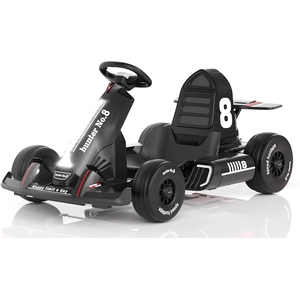
XJD KIDS Go Kart Black
$159.99 $149.99
-
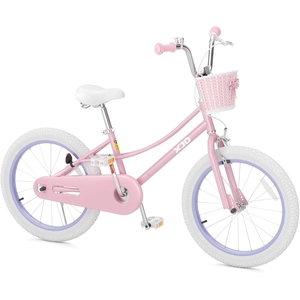
XJD Girls Bike Pink
$139.99 $132.99
-
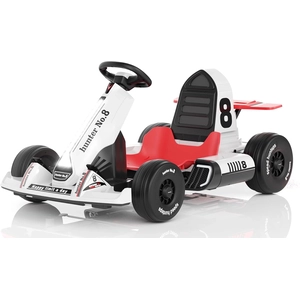
XJD KIDS Go Kart V12
$159.99 $149.99